The Core Shelf: 50 Novels Every Personal Library Deserves
Sometimes you read a book and want to buy more copies of it. Sometimes you read a book and know that twenty years later, you will still be enthralled by it. You will remember it because it is not only a book of the present; it is a book of the present, past, and future. This is the book that forms the foundation for your home library. It is the book that will be pulled from your shelves and read generations later.
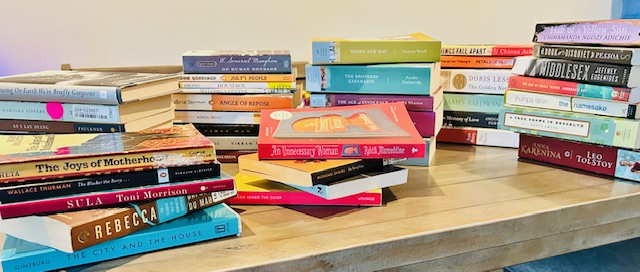
In the spirit of reading around the world, here are fifty literary novels that will not only entertain and educate you about the world but will also help you envision yourself in it.
These 50 literary novels and their writers hail from 30 countries around the world.
#1 Too Loud a Solitude, by Bohumil Hrabal
This novel is a love note to lovers of literature. After reading this beloved Czech classic, I sat in my home library for hours, sensing the magic of my books and embracing how they mean so much more to me than words on a page.
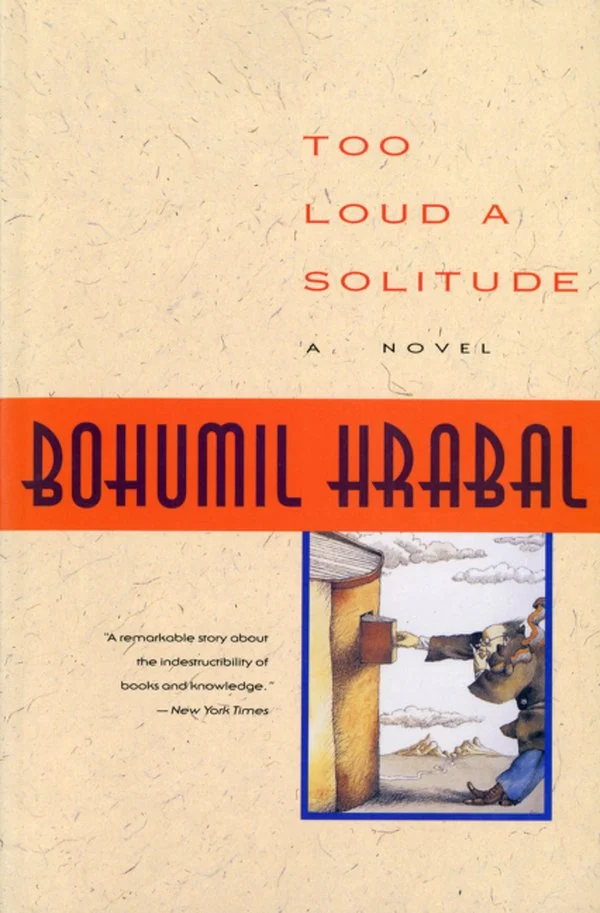
The novel follows Hanta, a man who, for 35 years, has worked in a Prague basement as a garbage recycler of books. Before he places the books into the compact waste machine, he preserves some to memory. He also secretly rescues banned books. Soon, he starts to ponder his life through books. This novel makes you consider how much of a culture and place are preserved through books and what happens to a civilization when its books are tampered with.
Bohumil Hrabal was a Czech writer and is said to be one of the best Czech writers of the 20th century.
Browse MyReading Around The World Bookshop
#2 Sons and Lovers, by D.H. Lawrence
The storytelling is swift yet intimate, partly because of Lawrence’s perceptive omniscient narrator. Perhaps one of my favorite parts about the book is the riff on language, and the dialect in dialogue because as Virginia Woolf said about him, D.H. Lawrence was “original.” I now appreciate the fuss about the Lawrencian language: prose of abstraction, sensation and unusual rhythm. Me like.
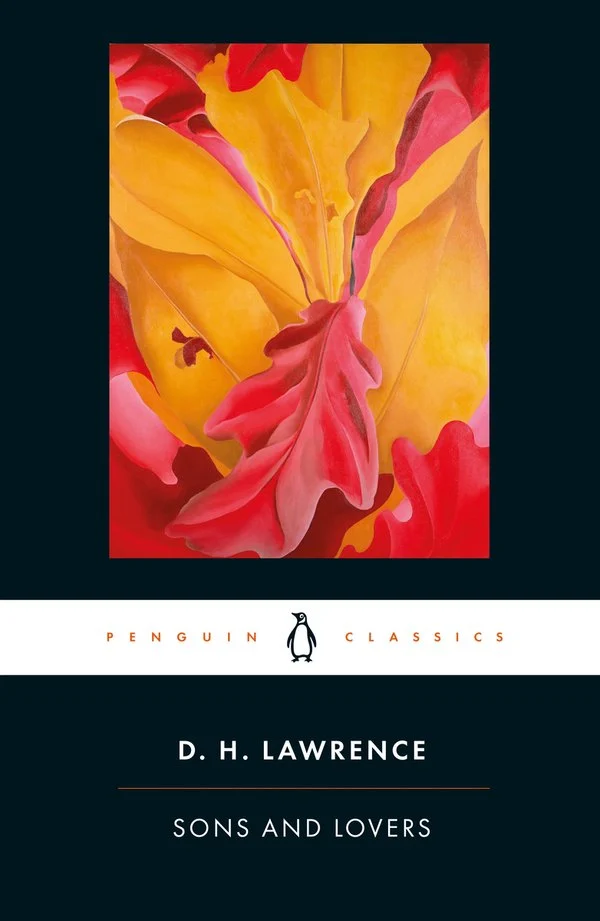
Published in 1913, this classic novel encapsulates the internal conflicts Paul Morel faces by having an overbearing mother, and how those conflicts are exhibited in his relationships with women.
D.H. Lawerence was born in Eastwood, Nottinghamshire, England. He was a novelist, short story writer, literary critic, playwright, essayist, travel writer, and poet. In 1999, the Modern Library called Sons and Lovers one of the 100 best English-language novels of the 20th century.
#3 The Age of Innocence, by Edith Wharton
I suggest reading this book before you watch the movie, so that you don’t miss Wharton’s nuanced storytelling. This is a novel that you will continue to have conversations with even after you turn the last page. I have deep admiration for Wharton’s elegant prose and positioning. I’ve never read a Wharton book or short story that I disliked. Her novels showcase distinctions in class and gender while also embodying universal themes of love, betrayal, and self-actualization.
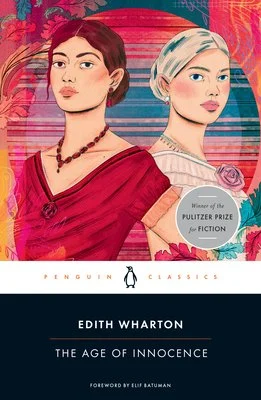
Newland Archer, a wealthy lawyer in 1870 New York, is engaged to May Welland, a New York socialite. They seem to get along well, until May’s cousin, Countess Ellen Olenska, arrives in town. Beautiful, bold, and estranged from her husband, Countess Ellen quickly becomes an outcast in New York’s polite society. Still, Newland pursues her and the idea of her makes him question his stance on passion, love, and responsibility.
Edith Wharton was an American novelist, short story writer, and designer. Her works portray the lives of the Gilded Age. In 1921, The Age of Innocence was awarded the Pulitzer Prize for Fiction and Wharton became the first woman to win the prize.
#4 Things Fall Apart, by Chinua Achebe
Things Fall Apart was one of the first novels I read and it helped me learn the art of storytelling. This novel portrays disintegration, namely the disintegration of the mind and how this can be attributed to the disintegration of one’s home and place in the world. It is one of the best depictions of patriarchy and colonization in Africa.
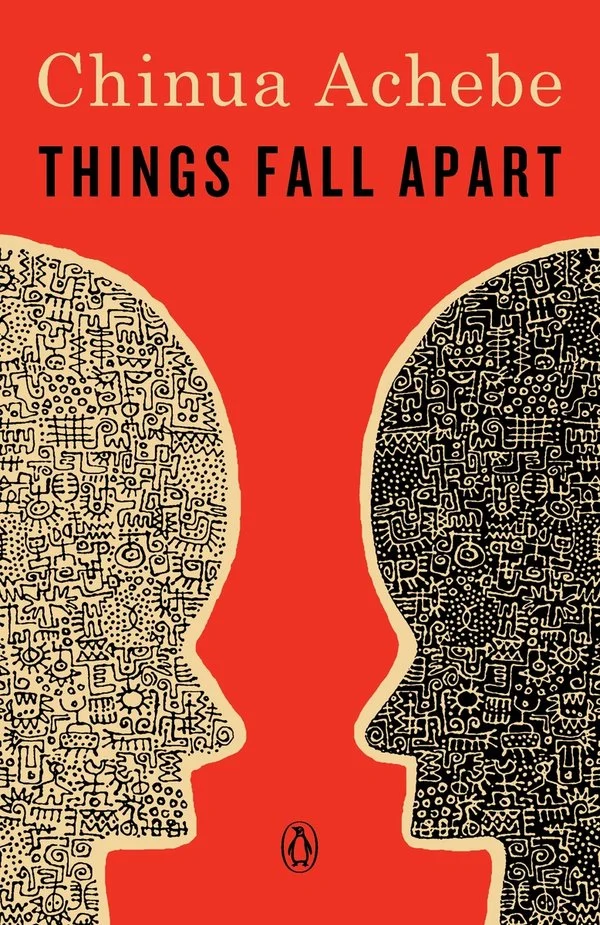
Set in 1880s Nigeria, this novel is about a fearless Igbo warrior, Okonkwo, who is exiled from his village for seven years, due to an accidental murder. When he returns, he is distraught to learn how their tribal customs have changed because of British missionaries who have settled in his village. Okonkwo becomes disillusioned by how purposeless his life seems. His clan has become divided and he blames his clansmen for allowing outside influences to tear them apart.
Born in Nigeria in 1930, Chinua Achebe was a novelist, critic, and poet. In 2007, he was awarded the Man Booker International Prize for Lifetime Achievement. With more than twenty million copies sold and translated into fifty-seven languages, Things Fall Apart is the most widely studied, read, and translated African novel.
#5 An Equal Music, by Vikram Seth
I am fascinated by quartets, plus Vienna and Venice are both places I’ve longed to visit. This novel helped me embrace it all. Additionally, the prose is stunningly lyrical and moves like the music of the quartet.
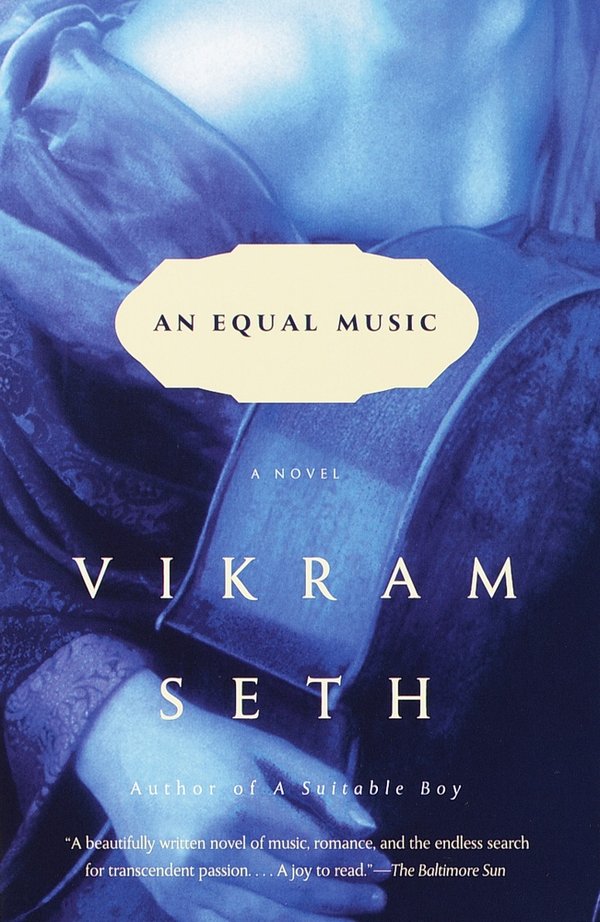
Michael is a successful violinist and a member of a famous Quartet. He is always thinking about Julia, the beautiful pianist he loved ten years earlier. One day Julia reenters his life, married, with a child and a secret. Julia agrees to tour with the quartet through Venice and Vienna, and their romance starts again.
Vikram Seth is an Indian novelist and poet. He is also the author of the international bestseller, A Suitable Boy.
#6 The Makioka Sisters, by Jun’ichirō Tanizaki
This is a beautiful novel of sisterhood and femininity that I did not want to part ways with.
This 20th century novel follows the Makioka family, a wealthy merchant family in Osaka, Japan, as the family wealth declines. At the heart of the story are four sisters who have different views on marriage, dating, culture, and traditions. Restrained by the patriarchal economic structures that govern their traditions, the sisters seek to keep their family legacy through marriage, once their father passes. The two older, married sisters arrange the two younger sisters’ marriages, and the story mostly revolves around finding a husband for Yukiko, the reserved sister.
Born in Tokyo, Jun’ichirō Tanizaki was a prominent figure of modern Japanese literature. He was elected to honorary membership in the American Academy and Institute of Arts and Letters in 1964, becoming the first Japanese writer to be honored in this way.
#7 The First Man, by Albert Camus
This is the final novel by Camus, the author associated with his most popular work, The Stranger. In some ways, this is an incomplete novel, as the manuscript was found in the wreckage of the car in which Camus died in 1960. His daughter, Catherine, authorized the publication. I’ve read and enjoyed The Stranger for its strange intensity and brevity; however, I am more drawn to First Man for its warm prose and how it textualizes survival.
This is the story of Jacques, a boy who grows up in a poverty-stricken environment, but endures due to the beautiful connection he has with his deaf-and-mute mother, and because of the connection he has with the teacher who shows him a different perspective of the world. With a setting in Algeria, this novel is about surviving the toils of life and remembering those years from a place of strength.
Born in French Algeria, Albert Camus was a French philosopher, novelist, and author. He was the recipient of the 1957 Nobel Prize in Literature.
#8 Night and Day, by Virginia Woolf
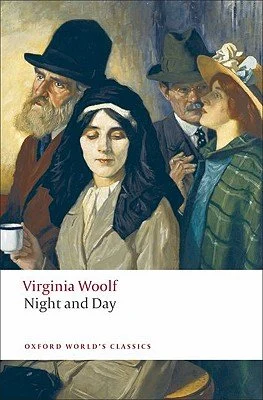
When you read a Virginia Woolf novel, you want to be a better writer and reader. Her sentences are perfect, pieced together like puzzle pieces to fit a finished whole. Woolf wrote this novel on her sick bed, as she battled depression.
Set in Edwardian London, Night and Day is about two friends: Katherine Hilbery and Mary Datchet. Katherine is the granddaughter of a poet and she is seeking a marital partner who will help her form the lifestyle she wants. Mary has been to college, lives alone, works for the women’s movement, and enjoys her independent lifestyle. The novel contrasts the lives of the two friends, takes a closer look at love, marriage, success, and it asks broader questions of the reader: how do our lifestyle choices affect our happiness?
Virginia Woolf was an English novelist, essayist, and critic. She is considered one of the foremost modernist literary figures of the 20th century.
#9 The Brothers Karamazov, by Fyodor Dostoevsky
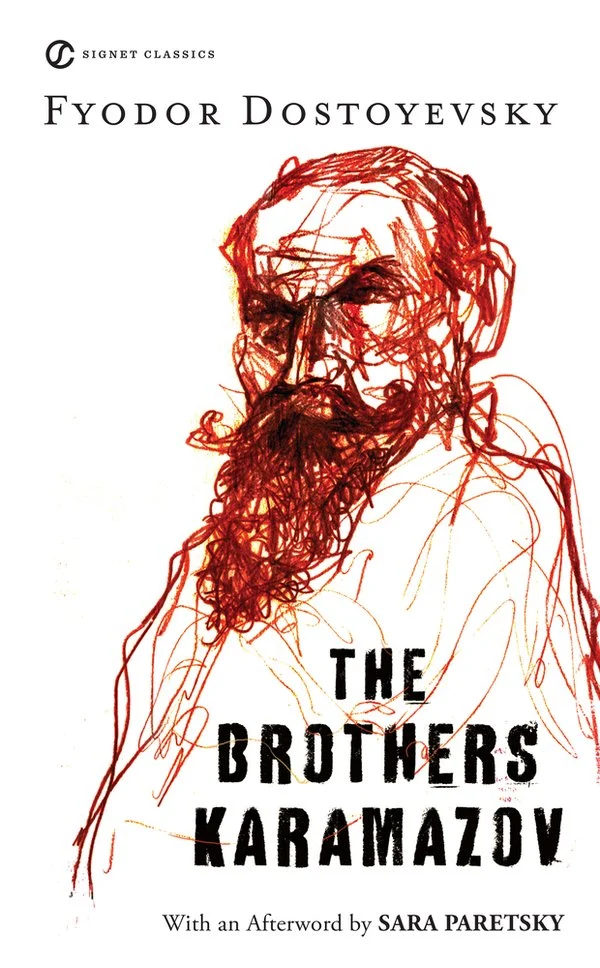
I admit, I never knew how to properly pronounce Dostoevsky when I first read this novel. By then, I was not even appreciative of the sensibilities of the Russian novel and how Dostoevsky frames his stories; yet, in spite of this, I fell in love with this novel on the first read.
The last of Dostoevsky novels, The Brothers is a blend of literature, philosophy, psychology, and religion. More than 600 pages long, this book is a feat, but a worthwhile one. Three brothers, The Brothers Karamazov, stand in for the profoundness that is the human condition: one representing the reckless way of living and thinking; another, selfishness and intellectual arrogance; and the third, timidity and religious belief. At the novel’s core is a contemptuous father and the absence of motherhood, and brothers who travel different courses in life, only to reunite as adults.
Fyodor Dostoevsky was a Russian novelist, short story writer, essayist and journalist. He is considered one of the greatest novelists in Russian literature. Sigmund Freud viewed him as one of the “greatest literary psychologists in history.”
#10 Half of a Yellow Sun, by Chimamanda Ngozi Adichie
As a survivor of war, I was both shaken and captivated by this novel. Adichie has not experienced war, and yet the emotional truths in this work of fiction were so poignant and potent. This was an emotional read for me. I needed to part ways with the novel, and yet I was embraced by the force of it. I learned that it was also an emotional writing experience for Adichie, as she stated that she “struggled to maintain many fragile balances” and “cried often.”
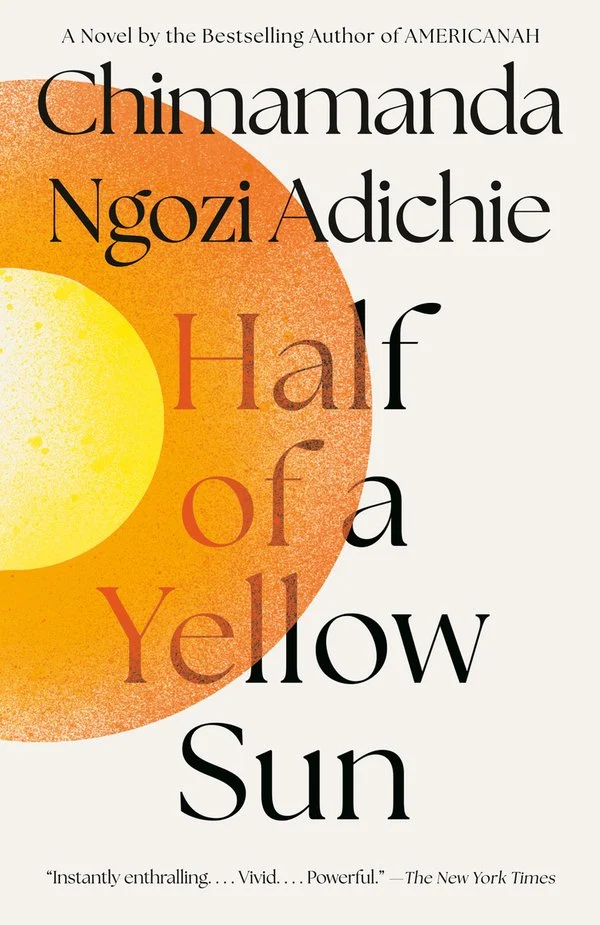
Set in 1960s Nigeria, during The Biafran War, this is a story about friendships and what happens when people from different backgrounds have their worlds collide. Olanna is the daughter of a diplomat who leaves her sophisticated Lagos lifestyle to live in the small town of Nsukka with the professor Odenigbo, her new lover. Ugwu, a boy from a poor village, works as a houseboy for them. Richard, a European expatriate and writer, is obsessed with Olanna’s twin sister, Kainene. Their lives collide when they suddenly find themselves in the middle of war. Told from three perspectives, the reader gets different views of war, how things look and feel for people from different backgrounds who are all affected by the same war. It is about love and family and friendships.
Chimamanda Ngozi Adichie is a Nigerian novelist, short story writer, essayist and critic. In 2022, she won the W. E. B. Du Bois Medal, considered the highest honor in the field of African and African American studies from Harvard University. Half of a Yellow Sun won the Orange Prize for Fiction in 2007.
#11 The Count of Monte Cristo, by Alexandre Dumas
There are certain books you’ll read that will change your perspective of life. This is one such book. This book transformed my thinking, validated my skepticisms, and helped me learn the true meaning of “biding my time” whenever things were going poorly.
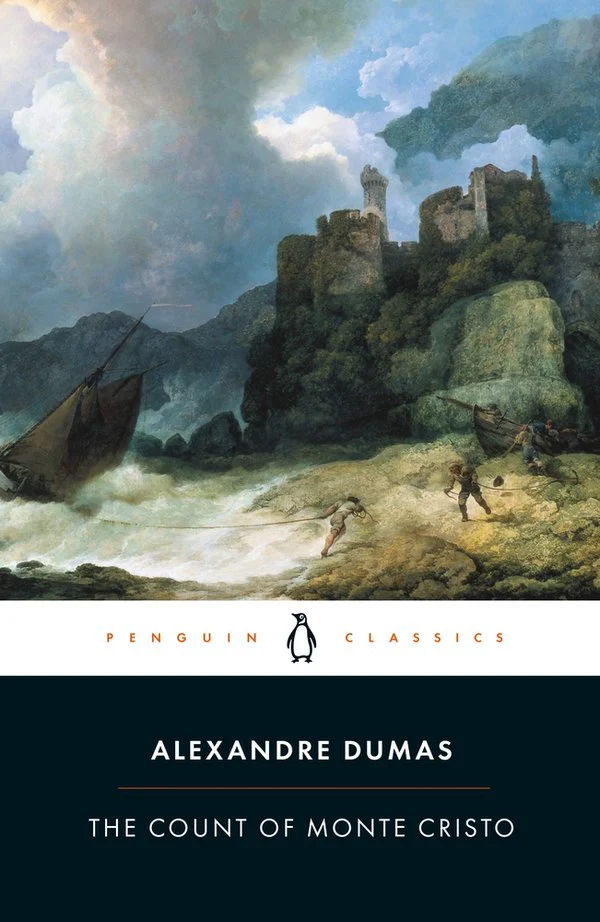
Set in France, Italy, and the Mediterranean during the post-Napoleonic era, the novel is about Edmond Dantès, an honest and loving man who is framed for a crime he did not commit and imprisoned. He becomes embittered. He escapes prison, becomes wealthy, and returns as the Count of Monte Cristo to exact revenge on those who wronged him. The novel is about what happens to a person when their life is ripped apart by jealousy. How do they live with the anguish and what kind of person do they become?
Born in France, Alexandre Dumas was a playwright and novelist of mixed-race Haitian identity. His work has been translated into more than 100 languages, with numerous film adaptations.
#12 The Joys of Motherhood, by Buchi Emecheta.
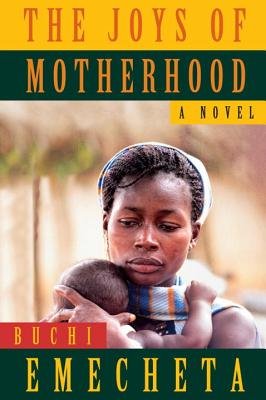
Published in 1979, the novel is of a young mother’s struggle in 1950s Lagos. But don’t be tricked by the title. This is not only about the joys of motherhood; it is also about the anxieties and pains of motherhood. The story is an inquiry into the intersection of womanhood and motherhood, and it explores the oppression of women in a society where they are ostracized for being unmarried or childless.
Buchi Emecheta was a Nigerian novelist who published more than 20 books.
#13 Sophie’s Choice, by William Styron
This is a book I borrowed from the library and realized that I had to own it. It is a layered novel: with each turn of the page, something new develops, some story unwinds, some secret is revealed. It is also a beautiful and tragic story of war, love, guilt, and trauma.
Stingo, a novelist, is fired from his job at a publishing house. He moves into a cheap boarding house in Brooklyn and meets Nathan and Sophie. Sophie is Polish and Catholic, a survivor of the Holocaust and concentration camps. Nathan is Jewish American, and he also has a hidden mental disorder. Sophie tells Stingo about her traumatic past and as he grows closer to the both of them, he realizes that the story is much more tragic than he had imagined.
Born in Newport News, Virginia, William Styron was an American novelist and essayist who won the Pulitzer Prize for Fiction in 1968.
#14 Petals of Blood, by Ngugi wa Thiong’o
At the surface this book is about the murder of three African directors of a foreign-owned brewery in 1960 Kenya. But once you uncover layers of stories, numerous embedded themes and symbolism, you realize that the story is also about disillusionment and economic betrayal. It is about a forgotten Kenyan village whose inhabitants feel betrayed. It is about the changes that take place during a post-colonial and modern era.

I enjoyed the poetry in this novel. At one point, I even wrote a poem using a line out of this book. At its core, the novel is about love, sex, political oppression, and abandonment, and also about how people endure in a new society that offers minimal economic advantages.
Born in Kenya, Ngugi wa Thiong’o was a novelist, memoirist, short story writer, and playwright. When this novel was first published in 1977, he was taken into custody by the Kenyan government. Journalists and writers around the world advocated for him, including James Baldwin, Toni Morrison, Harold Pinter, and Margaret Drabble.
#15 Sula, by Toni Morrison
Sula is a character you remember. You may not like her, but you’ll certainly be drawn to her, just as you’ll be drawn to The Bottom, that insular Black community where the stories of residents are laced with dreams and sorrows. Toni Morrison has such an elegant and unique flow to her words that reading her books is akin to drinking wine: it is an acquired taste.
The friendship between the main characters, Nel and Sula, is tightly woven and yet so fragile. When their bond is broken, it leaves the reader heartbroken. It is a novel about childhood friendships, how they are built and sometimes broken. It is also about kinship, how a group of people support each other in a segregated Black town in post-slavery America.
Born in Ohio, Toni Morrison was an American novelist and editor. She was awarded the Nobel Prize in Literature in 1993.
#16 The Book of Disquiet, by Fernando Pessoa
This is a book you read slowly, for it will surprise you. It moves like poetry, in fragments of lyrical thought. It is poignant prose about a narrator who feels uneasy in a world where he has never truly lived, where he has never truly felt seen. It is about his disquiet. The style of this book is unexplainable in some ways, to me it reads like diary entries and reveal universal struggles. I’ve read no book quite like this one and I have so many highlights in my copy. Pessoa called this a “factless autobiography.”
Born in Portugal, Fernando Pessoa is considered one of the most significant literary figures of the 20th century and one of the greatest poets in the Portuguese language.
#17 Without a Name and Under the Tongue, by Yvonne Vera
This collection of Yvonne Vera’s two earliest novels take place in 1970s Zimbabwe, during the Zimbabwe War of Independence. Lyrical and visceral, these novellas are melancholic takes of the traumas of war that remain unspoken or “under the tongue.” Though tragic, these stories are spellbinding prose poems.
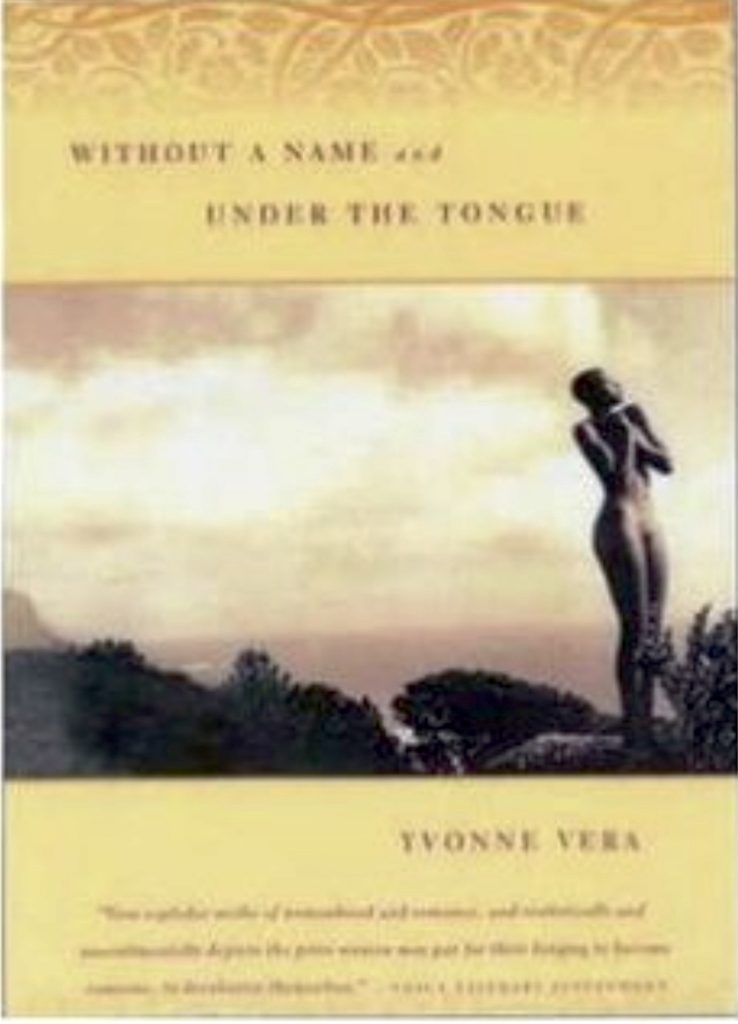
In Under the Tongue, Zhizha is a child of war whose psychological struggle leaves her unable to speak. While protecting her child from brutality, Zhizha’s mother is sent to prison, and she is raised by her grandmother, a woman with an endowment of quiet strength.
In Without a Name, a homeless woman, Mazvita, leaves her small town in order to bury her memories of war and start a new life in the city of Harare. Despite her desire to move forward, she is hampered by the past and by the lack of resources to move forward. Both novellas are about the trauma of memories and how a tragic past sometimes inhabits a person’s life.
Yvonne Vera was born in the former Rhodesia-turned-Zimbabwe. Her works of fiction focus on Zimbabwe’s troubled history. She wanted to be remembered as a writer who “had an intense love for her nation.”
#18 Of Human Bondage, by W. Somerset Maugham
This novel will have you considering that perhaps life is neither beautiful nor ugly but maybe something to be accepted as one accepts the changing seasons. You may also consider that happiness and pain matter the same, or that they both occur like the seasons. It is a multifaceted and profound novel that will linger because of its unique stance and the unique plight of the main character.
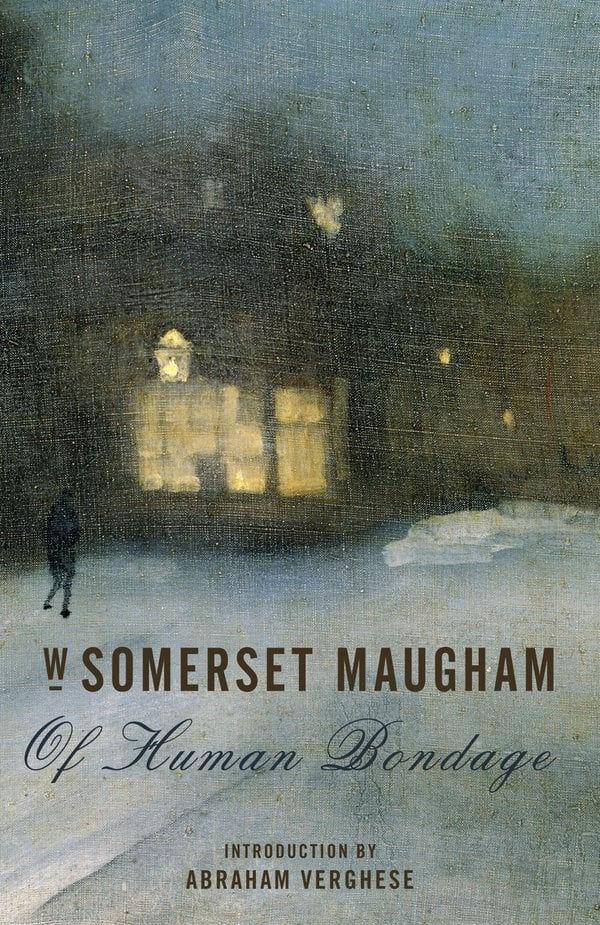
The novel is about Philip, a disabled orphan who is ambitious and adventurous; it chronicles his physical and conscious growth from adolescence to adult. Philip wants to travel the world, wants to study in different places and experience new things. But Philip’s biggest setback is love, unrequited and foolish love that changes the course of his life. Philip is his own worst critic, so his internal struggles showcase the mindset of someone who endures life’s complexities with stoicism.
Born in Paris, where he spent the first ten years of his life, William Somerset Maugham was schooled in England and became an English novelist and playwright. He graduated from medical school but chose to be a writer. Of Human Bondage had multiple film adaptations.
#19 The Great Gatsby, by F. Scott Fitzgerald
One of the reasons I like Gatsby is because it shows how beauty and glamour sometimes mask fragility. This quintessential novel of the Jazz Age is fast-paced and daring.
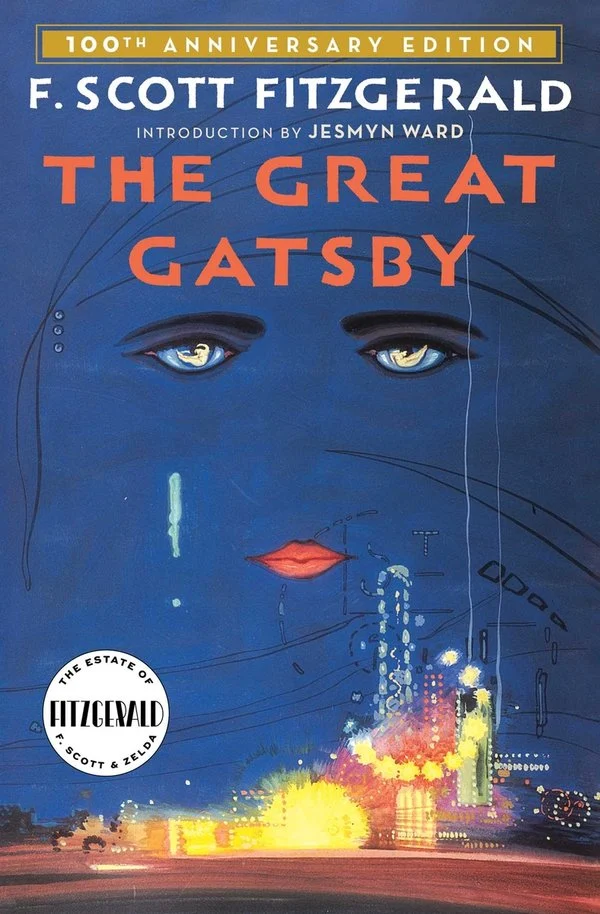
Set in Long Island, New York, the book is told from the perspective of Nick Carraway, as he interacts with Jay Gatsby, an elusive millionaire who is in love with Nick’s cousin, Daisy Buchanan. Gatsby throws lavish parties that are the envy of his competitors. Gatsby does everything he can in order to woo Daisy and gain respect from her circle of friends. But the central question becomes: who is Jay Gatsby, really? Where did his wealth suddenly spring from?
F. Scott Fitzgerald was an American novelist, essayist, and short story writer. In 1974, The Great Gatsby achieved its status as a literary masterpiece and was a contender for the title “Great American Novel.”
#20 Year Before Last, by Kay Boyle
I love when characters admire books in the same way I do. I also love when the innermost thoughts of characters are articulated so adeptly that I can examine their strengths and flaws in an objective way.
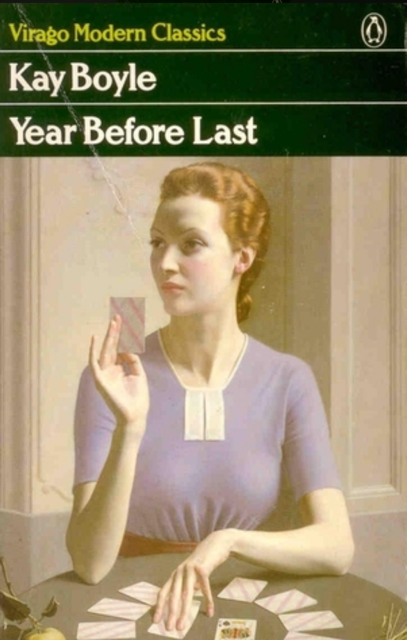
Set in the French riviera, the novel is about Hannah, a woman who leaves her ambitious but distant husband for a poor writer, Martin. Once Martin’s aunt, his benefactor, learns about their relationship, she cuts off his financial support and they find themselves living aimlessly, skipping from inn to inn. Although they both detest convention and their lifestyle in motion seems suitable for the two of them plus their three dogs, what makes it trying is that Martin has terminal illness of the lungs. The novel elucidates emotional turmoil.
Born in Pennsylvania, Kay Boyle was an American novelist, essayist, and poet who was an active participant in the literary expatriate scene in 1920s Paris.
#21 First Love, by Ivan Turgenev
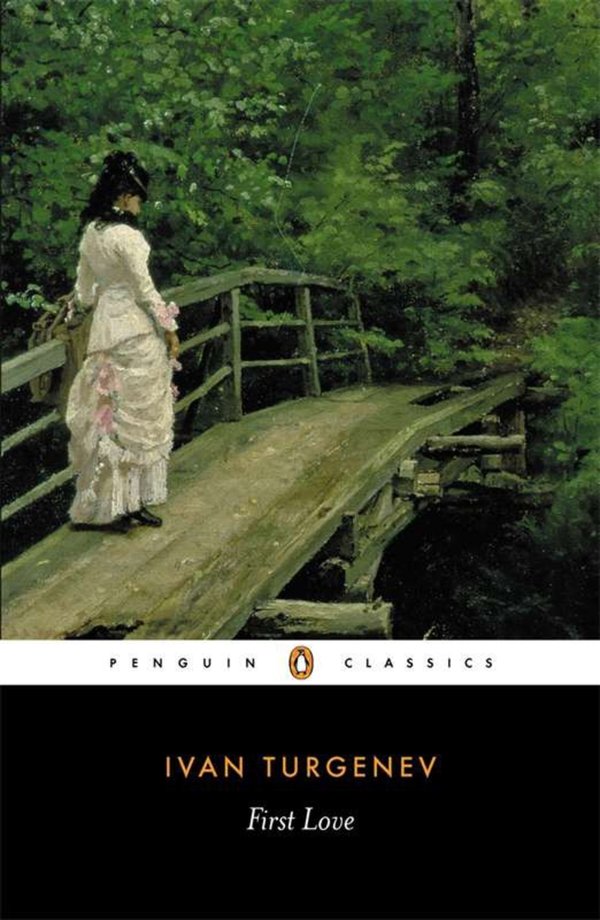
This 19th century novel is intense, measured, poetic, and has scenes that move with quiet intention. I love reading Turgenev because he takes you through storytelling in a beguiling way.
When a group of men meet to share their stories of their first loves, a forty-year-old man, Vladimir Petrovitch, details the first time he fell in love. First Love is a recollective novel that captures a boy’s humiliation and infatuation as he awakens to the adult complexities of love. Turgenev once said that it was one of his most autobiographical works and was inspired by his love for someone with whom his father had an affair.
Ivan Turgenev was a Russian novelist, short story writer, playwright, and translator. First published in 1860, First Love is one of the most popular works of classic short fiction.
#22 The Garden of Evening Mists, by Tan Twan Eng
This is a moving and lyrical book of layered complexity. What makes it special is how it educates about the world, about historical events, through deft storytelling that moves as quietly and gracefully as flowers in a Japanese garden. I turned the last book of this novel and sat in silence.
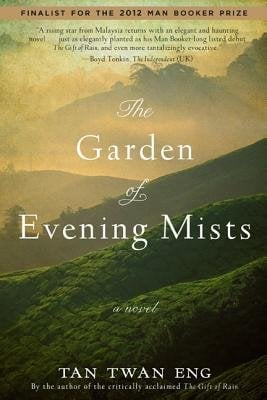
Set in Malaysia, the story follows Teoh Yun Ling, a retired judge who was once a Japanese prisoner during the Japanese Invasion of Malaya. While in the Japanese internment camps, Yun Ling’s sister had been forced to be a “comfort woman” to Japanese soldiers. Her sister did not survive. To memorialize her sister, she wants to design a Japanese garden at her home in Kuala Lumpur. In order to do so, she has to intern with a renowned Japanese gardener who was once the gardener to Japanese Emperor Hirohito. Even with the feelings of contempt she harbors, she and the gardener share sacred moments as Yun Ling tries to make sense of her life and cope with survivor’s guilt.
Born in Penang, Tan Twan Eng is a Malaysian novelist. The Garden was shortlisted for the 2012 Man Booker Prize and won the Man Asian Literary Prize.
#23 The City and The House, by Natalia Ginzburg
This book of letters is about what happens to friendships once their lives take many different turns. A group of friends in the Italian town of Monte Fermo form a friendship hub at a house they have in common. One of them, Giuseppe, moves to America to live with his older brother and write a novel. The owners of the house, Le Margherita, see their relationship spiral. Soon, the fate of these friends takes different shapes as they struggle to form better lives for themselves and to overcome personal tribulations.

I enjoyed this book for the depth of the seemingly simple prose, for the epistolary form that worked so well, for how love takes various shapes to be celebrated. I was fascinated by how each character owns their individuality and uniqueness, and how fragility is showcased gracefully.
Born in Italy, Natalia Ginzburg was a novelist, essayist, and short story writer who received the Strega Prize and Bagutta Prize.
#24 Angle of Repose, by Wallace Stegner
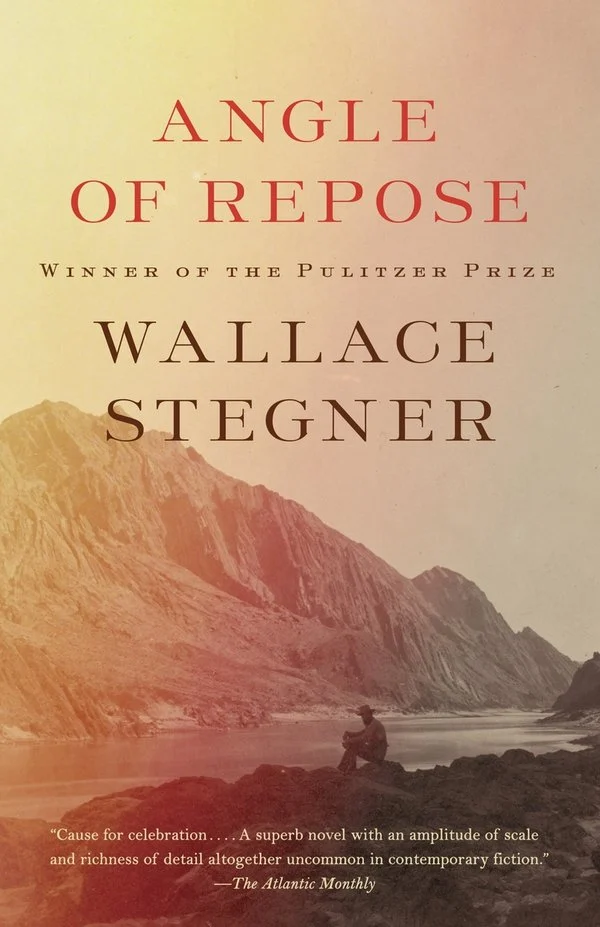
From my angle of repose, this novel grew on me slowly, a sprawl of words that expanded into layered lushness. Reading Stegner reminds that feeling simpatico with a character transcends culture, race, and place. I felt the same as I read Crossing to Safety.
The story of Susan and Oliver is told from the perspective of their grandson, Lyman, a fifty-eight-year-old retired historian who is wheelchair bound, due to bone disease. Lyman’s wife has deserted him for his doctor. By studying his grandmother’s letters and recreating their family history, Lyman creates a daily routine that helps him cope with illness and betrayal. His grandmother, Susan Ward, is an illuminating character. She and his grandfather, Oliver, maintained a 60-year marriage, despite setbacks. The novel is a captivating story of an American family.
Born in Iowa, Wallace Stegner was an American writer who inspired The Stegner Fellowship Program at Stanford University. Angle of Repose won the Pulitzer Prize for Fiction in 1972.
#25 The Memory of Love, by Aminatta Forna
This novel is a sweeping tale of love and betrayal that span decades. The force from the memory of love is nostalgic and heartrending. It is a book that will devour you. I generally enjoy Forna’s works, but I must say, this book made her one of my favorite authors. There is the story, and then there are underlying stories. Some writers blend them so well it astonishes.

Set in post-war Sierra Leone, the story centers around Adrian Lockheart, a British psychologist, and his patient, Elias Cole, an elderly British lecturer who worked during post-colonial tensions in Sierra Leone during the 1960s. Elias reflects on his past obsession with Saffia, the wife of his Black colleague, Julius, and how this results in the ultimate betrayal that would affect Julius’s life. There is also Kai, the Sierra Leonean surgeon who has dreams of practicing medicine in America, however, he harbors his own secrets of war. When Elias, on his deathbed, tells the story of his past to Adrian, you think this is the straightforward story of betrayal, but no, it is not. This novel is so complex and layered, it will have your literary pulse throbbing. It is at its best when it depicts the psychological scars of war.
Aminatta Forna was born in Scotland, raised in Sierra Leone and Great Britain and spent periods of her childhood in Iran, Thailand and Zambia. She is a novelist and the Director of the Lannan Center at Georgetown University. Memory was voted one of the “Best Books of the Year” by the Sunday Telegraph and was a New York Times Editor’s Choice book.
#26 The Blacker the Berry, by Wallace Thurman
Kendrick Lamar revitalized the phrase, the blacker the berry, in 2015 with his album, To Pimp a Butterfly, but Wallace Thurman coined the phrase in the 1920s. Emma Lou, the main character in this novel, is all those things that both intrigue and astound me.
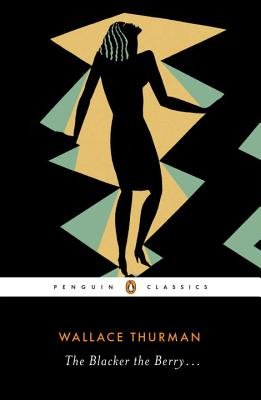
Set in Boise, Idaho and Harlem, New York City during the Harlem Renaissance, the novel explores Emma Lou’s experiences with colorism: discrimination by lighter-skinned African Americans due to her dark skin. The novel traces the identity crisis of a darker skinned woman living in America, crisis that stems from slavery in America, and it depicts self-hatred and animosity.
Born in Salt Lake City, Wallace Thurman was an American novelist and screenwriter who was a pivotal writer during the Harlem Renaissance.
#27 An Unnecessary Woman, by Rabih Alameddine
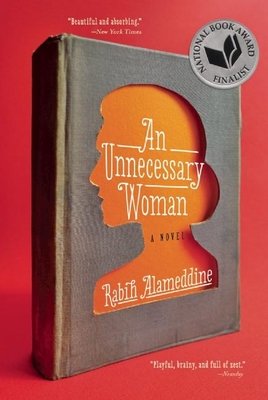
This novel is an ode to literature and how it shapes us and provides refuge in a chaotic world.
Set in war-torn Lebanon, this is a story of Aaliya, a reclusive woman and lover of literature who is in the midst of a psychological crisis. As her mind disintegrates, the narration takes us through past and present Beirut. She ponders art, literature, and philosophy, and yet memories of the Lebanese Civil War and her own tragic past invade her thoughts.
Born in Jordan to Lebanese Druze parents, Rabih Alameddine grew up in Kuwait and Lebanon until 16 years old, when he lived first in England and then moved to the U.S. He is a Lebanese American painter, novelist and a finalist for the National Book Critics Circle Award.
#28 Anna Karenina, by Leo Tolstoy
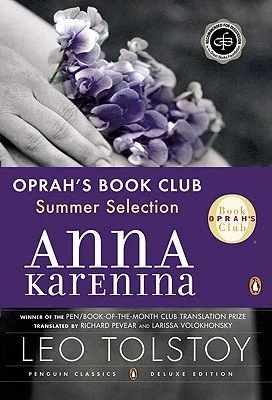
I was a teenager, just off a plane from Cote D’Ivoire, waiting to board a plane from Paris to New York City, when I first saw this book on an airport seat. I was twenty pages in when the owner returned from the bathroom, and I was so embarrassed because I thought someone had abandoned it. Years later, I had the chance to own and read it.
What this novel does well is illuminate societal constraints and explore the consequences of the passionate life. Questions linger: do some women get married and have children because this is what society expects of them? What happens if a woman decides to choose one or the other, or neither? You traverse the different modes of Anna as she seeks to find her authentic self. It is both empowering and saddening.
Leo Tolstoy was a Russian novelist and short story writer, known as one of the most influential authors of all time.
#29 Sing, Unburied, Sing, by Jesmyn Ward
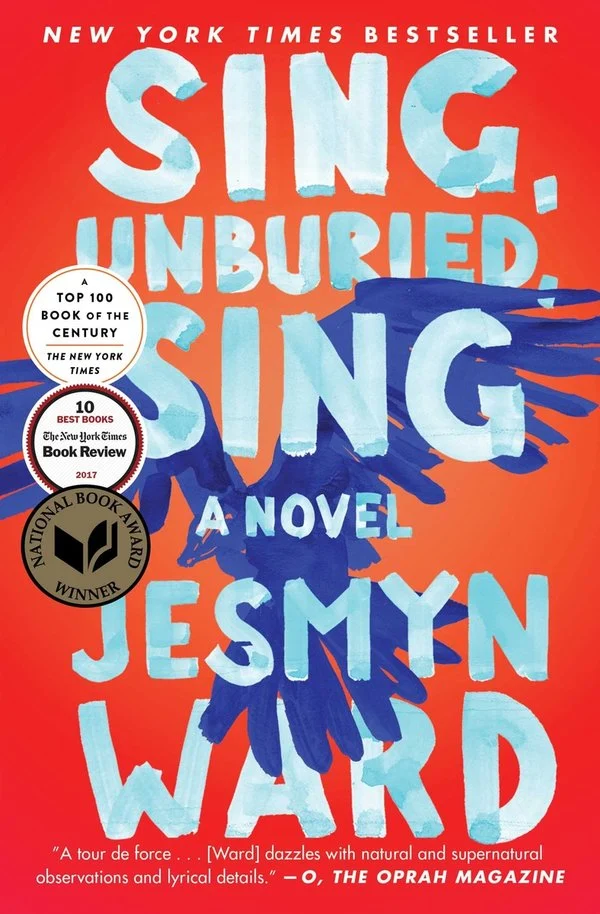
Jesmyn Ward’s words wound. They also sing. Her novels are of struggle and survival. The first time I came across her work was through Salvage the Bones. She leaves you feeling how her characters feel.
The novel’s title says it all. It explores the aftermath of slavery in Mississippi and imagines the spiritual world—one of the narrators is a ghost. It also reveals the dissociative patterns of children who face trauma and loss at a young age. Loneliness and abandonment are key themes, and the use of symbolism underscores pivotal moments.
Born in California, Jesmyn Ward is an American novelist. She won the 2017 National Book Award for Fiction for Sing, Unburied, Sing.
#30 The Tale of Genji, by Murasaki Shikibu, edited by Royall Tyler, abridged by Royall Tyler
This is an abridged version of The Tale. Instead of 1000 pages, this abridged version is just over 300 pages. I was supposed to read this book in portions because the moment I started reading it, I realized I’d read the first chapter as a child. I enjoyed this scholarly version from Penguin Classics for many reasons, including as an introduction to this wonderful tome that is considered the world’s oldest novel.
Written in the 11th century, this is about imperial life in Japan and follows Genji, the son of the emperor who cannot obtain the title of Prince because his mother is a concubine. Genji loses his mother and nurse at a young age, and perhaps it is because of this abandonment, or because he is admired for his handsomeness, that he has a skewed relationship with women. The novel is tragic, intoxicating, and scandalous.
Born in Japan, Murasaki Shikibu served the Empress Akiko around 1006 chiefly because of her talent for writing fiction. When she died, she also left fragments from a diary.
#31 Just Above My Head, by James Baldwin
There is no book by Baldwin that I have read and disliked; in fact, I teetered between Go Tell It on The Mountain and Tell Me How Long the Train’s Been Gone for this list. I am enamored by the Baldwinian language and introspective style. This novel is James Baldwin’s last novel and as usual, he is bold and intense in these pages. It is as if this novel is a culmination of his works, and technically it is, but artistically it embodies all of his books and still leaves room for more exploration of Baldwin. The scenes are pieced together in a way that makes pacing and poignancy feel cinematic.
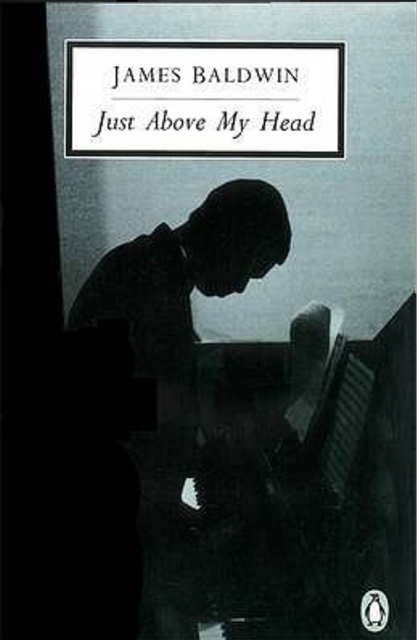
Set in Paris, London, Korea, Harlem, and the American South, this novel is an eloquent reflection of an older brother, Hall, who has just found out that his younger brother, the famous musician, Arthur, has died. The story details the life and adventures of Arthur and his friends as they tour the South during the Civil Rights Movement in America. The novel captures their experiences as African American men refining their artistry while also battling issues of race and sexual identity.
Born in New York City, James Baldwin was an American novelist, essayist, short story writer, and screenwriter. He was a pivotal orator during the Civil Rights Movement.
#32 The Door, by Magda Szabó
This novel appears typical but will alter the way you view people.
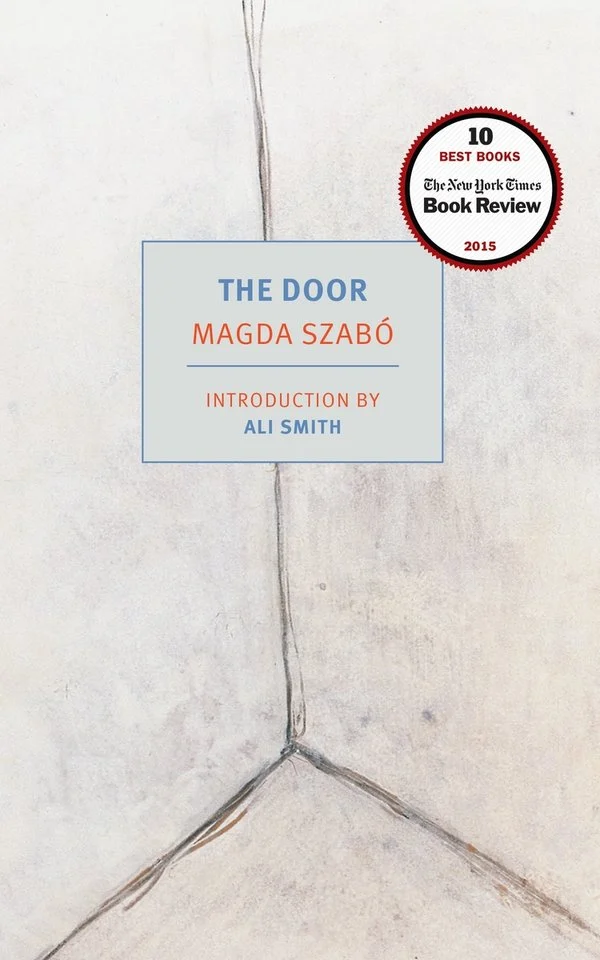
Set in Hungary, the novel explores the relationship between a writer, Magda, and her housekeeper, Emerence. Magda is a writer who has just returned to writing after being banned. She hires Emerence, an elderly woman who lives a mysterious, quiet life. Emerence is active in her community, but she has a tragic past she keeps hidden from her neighbors. Even Emerence’s house is off limits to others. Emerence trusts no one, until she meets Magda and starts to let down her guard, but at what cost to herself? This narrative is about friendship, regret and the things we’ll never understand about one another.
Magda Szabó was a Hungarian novelist, essayist, memoirist, and poet. From 1949-56, when Stalin ruled Hungary, she was fired from her job and not allowed to publish. She is the most translated Hungarian author.
#33 Middlesex by Jeffrey Eugenides
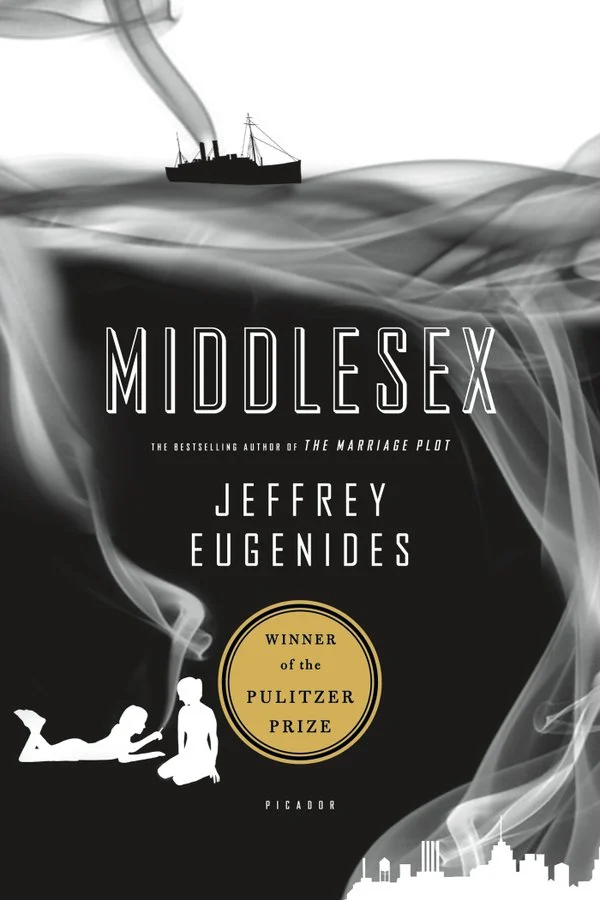
I knew nothing about intersex people until I read this novel, and I can safely say this is a standalone novel. In case you were as unaware as I was, “an estimated 1 in 100 Americans is intersex, and around 2% of people worldwide have intersex traits,” according to a Cleveland Clinic article.
With settings in Greece and Detroit, Michigan, this is a story of a Greek American immigrant family and their lack of knowledge about dealing with their newborn child who is anatomically different. It is an enthralling and slow-paced novel that centers around Cal, an androgynous narrator, who weaves personal storytelling with research, and also with familial and historical contexts. It is a heartbreaking narrative that shows how trauma sometimes rearranges and redefines social normalcy for a person.
Born in Detroit, Michigan, Jeffrey Eugenides is an American essayist and novelist of Greek descent. Middlesex received the 2003 Pulitzer Prize for Fiction.
#34 Villette by Charlotte Brontë
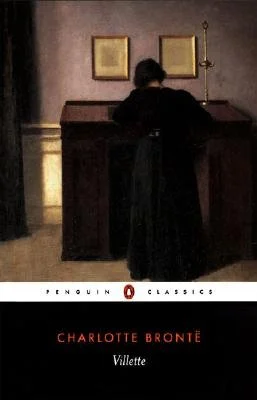
Dreamlike and at times peculiar, this novel will make you consider the oddities of life. I don’t think I’ve read another novel that makes loneliness and vulnerability so lucid.
While fleeing a troubled past, Lucy Snowe, the main character, leaves England to become an instructor in a French boarding school. As she observes a romance between colleagues, she comes to terms with her longing. The heartache she tried to escape rushes to the surface. The novel underscores pretensions within academia and successfully explores the female consciousness. Charlotte Brontë said this in defense of her main character, Lucy: “I consider that she is both morbid and weak at times; her character sets up no pretentions to unmixed strength, and anybody living her life would necessarily become morbid.”
Charlotte Brontë was an English novelist and the eldest of the three famous Brontë sisters whose novels became standards of English literature. Villette was her most accomplished work.
#35 The Street by Ann Petry
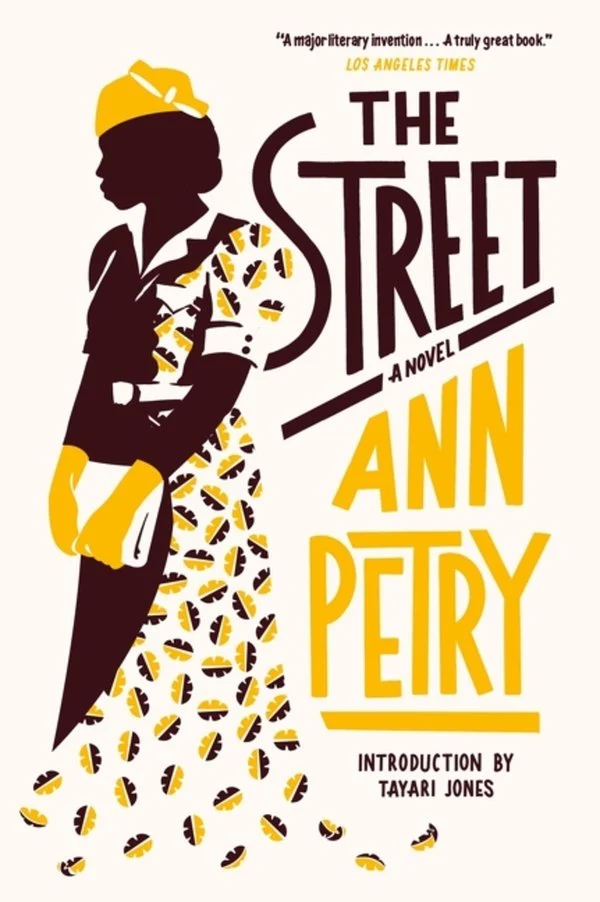
The street motivates or obliterates. The street consumes and devours. Here, the street is personified: dreams come alive or they burn because of the street. You read Petry and you see the streets more clearly.
The measured movement of words in this novel captivates, and the rhythm parallels the heartbreak and pain found in the storytelling. This is the story of Lutie Johnson, the breadwinner of her family, who moves to Harlem, New York City, from Jamaica, in order to support a husband and child. She is determined and desperate to create a better lifestyle. The novel vividly encapsulates the life of a working-class woman amid racial, gender, and class struggles.
Born in Connecticut, Ann Petry was an American novelist, journalist, and biographer. With The Street, she became the first African American woman to sell over a million copies of a novel.
#36 Swann’s Way (In Search of Lost Time Volume 1), by Marcel Proust, translated by Lydia Davis
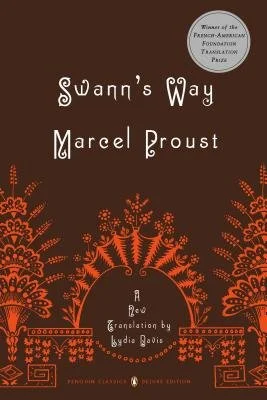
This is unlike any novel you’ll read. It’s likely you will be frustrated when you first encounter this book, but be encouraged to know that reading Proust is so essential to your reading journey. You don’t read Proust for plot. You read Proust for enlightenment and edification. I wrestled and had conversations with this book for quite some time, so much so that the cover has been molded into a shape that fit snugly into my chest when I fell asleep with it at night.
Swann’s Way is the first volume of Marcel Proust’s In Search of Lost Times. It explores memory, love, childhood, and the love story of Charles Swann. The novel probes the question, how do our memories shape perception or reality? It also delves into class distinctions in 19th and 20th century France.
Born in Paris, Marcel Proust was a French novelist, literary critic, and essayist. Swann’s Way is considered one of the greatest literary achievements of the 20th century.
#37 The Namesake, by Jhumpa Lahiri
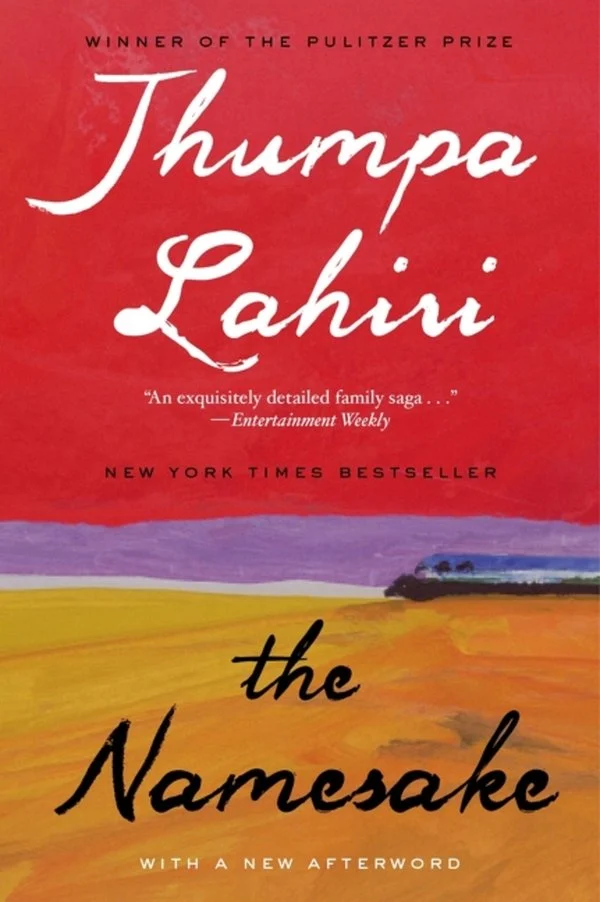
Not too many writers can toy with time so seamlessly that the reader does not realize it until 100 pages in, once the story has ballooned into a multifaceted plot. The novel moves in layers, through decades and generations, yet it seems effortless. I admired the film adaptation, but I suggest reading this novel before watching the film.
Set in Calcutta and New York City, the novel begins with Ashima, an expectant mother, has left her family in India to assimilate in America with her husband, Ashoke, an engineering student. They have a son, whom they name Gogol, after their favorite writer, Nikolai Gogol of The Overcoat, whose storytelling pacing Lahiri seems to emulate. Gogol struggles with his name but later learns to appreciate it and his uniqueness. The overarching story becomes that of family, assimilation, and of the inherited traumas children of immigrants carry.
Born in London, Jhumpa Lahiri is a British American novelist and short story writer of Indian descent. In 1999 she won the Pulitzer Prize for Fiction.
#38 On Earth We’re Briefly Gorgeous, by Ocean Vuong
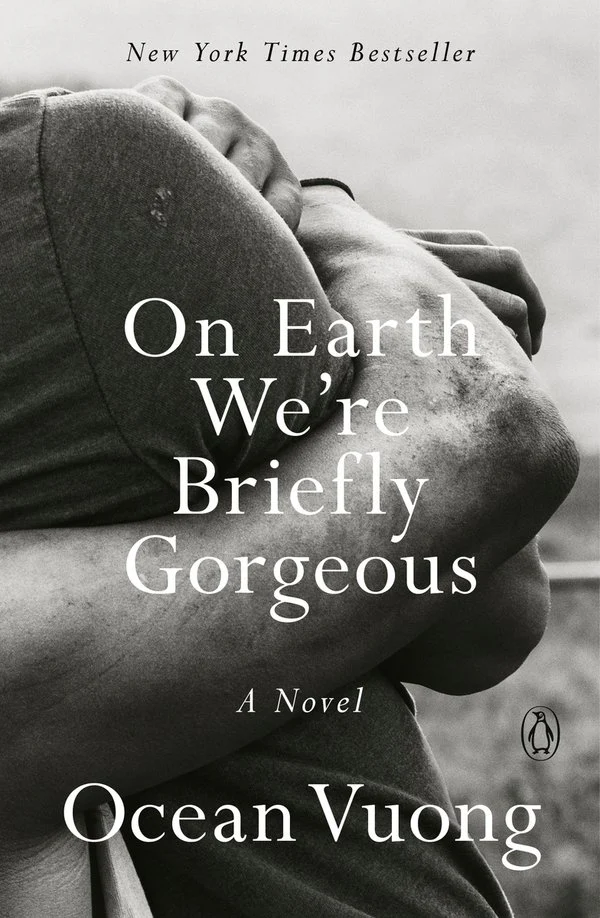
If a formula exists for beautifying pain, Vuong secretly possesses that formula. This is illuminating and lyrical language that aches. The novel reads like prose poem, and I am a fan of Vuong’s poetry so I was seated for this. Rooted in Vietnam, this novel is a letter from a son to a mother who cannot read. It is about how you survive and heal.
Born in Vietnam, Ocean Vuong is a Vietnamese American poet, essayist, and novelist. On Earth won the 2019 New England Book Award for Fiction.
#39 The Post Office Girl, by Stefan Zweig
Stefan Zweig is one of my favorite writers. His memoir, World of Yesterday, is on my list of intriguing memoirs from around the world. I am more entranced by his novellas, but this novel stands apart for how it is psychoanalytic in depicting transformation.
Christine, the post office girl, works in solitude each day at a post office in a small town near Vienna. She does not like her job, even though she realizes that for a woman living in a village where there are few jobs available after the war, hers is a coveted position. One day she is given a second chance at life when her rich aunt calls her to Pontresina, Switzerland for vacation. She experiences and enjoys this life of luxury, until her new friends learn that she is really a small-town girl from a poverty-stricken place. She is ostracized and forced to return to her humble village. She sinks into a deep depression and eventually meets a war veteran, who is also struggling with feelings of hopelessness. They come up with a plan that will shock any reader.
Born into a Jewish family, Stefan Zweig was an Austrian writer raised in Vienna, Austria-Hungary. During the 1920s and 1930s, he was one of the most-read and translated authors. His works have had several film adaptations.
#40 Invisible Man, by Ralph Ellison
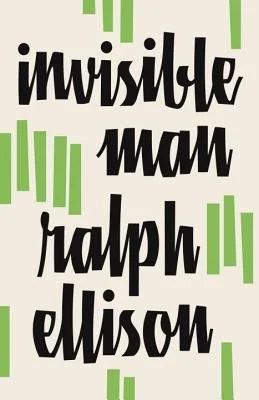
I get chills when I read these words published in 1952, yet still relevant today. This novel is devastatingly beautiful; its bold and searing narrative told in a sardonic tone. This is a book that sits in a special space in my reading journey and maybe because of this, I find it difficult to describe.
What does it mean to feel invisible in America? Set in the Deep South and Harlem, the novel traces the internal conflicts and trajectory of a nameless protagonist, the invisible man, an African American man downtrodden by racial, social, and economical issues in America.
Born in Oklahoma City, Ralph Ellison was an American novelist and literary critic. He was the first African American writer to win the National Book Award for Fiction in 1953. In 1998, the Modern Library included Invisible Man on its list of 100 Best English-language novels of the 20th century.
#41 The Golden Notebook, by Doris Lessing
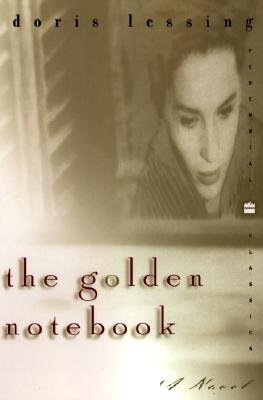
This is a novel that will challenge you as a reader. Told in a jarring style of journal form, it is a labyrinth, complex and intricate, at times overwhelming. Even the structure intentionally showcases the juxtaposed lives of a person. It is a novel that will give you reading wings.
The story is about Anna, a successful writer and author who keeps four notebooks. Each notebook is of a pivotal part of her life she compartmentalizes. When she falls in love with an American writer and fears she’s losing her mind, she tries to piece together the notebooks into one Golden Notebook.
Born in Persia to British parents, Doris Lessing was a novelist who grew up in the former Rhodesia-turned-Zimbabwe, and later moved to London, England. She was the winner of the Nobel Prize in Literature in 2007.
#42 The Bridge of Beyond, by Simone Schwarz-Bart
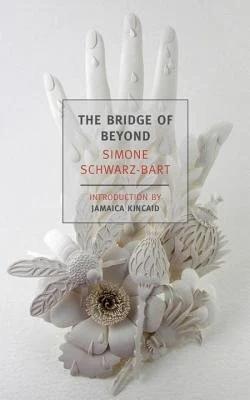
There are books you come across and soon realize you are reading something that creates its own literary technique of style and mood. Only a few books have the power to make you read instinctively, so that you reach for beauteous words on the page and beyond. Only a few books are both esoteric and universal.
Set on the French Antillean island of Guadeloupe, this is the story of Telumee, a woman who navigates the unpleasant realities of a peasant community and both the sorrows and ecstasies of love until she finds her comfortable corner in life. It is a novel about Black womanhood, survival, and oneness with nature. It is a novel of triumph and hopefulness, in spite of the dire circumstances brought about by slavery’s legacy.
Born in France, Simone Schwarz-Bart is a French novelist and playwright of Guadeloupean origin. The Bridge is considered a classic of Caribbean literature.
#43 Persuasion, by Jane Austen
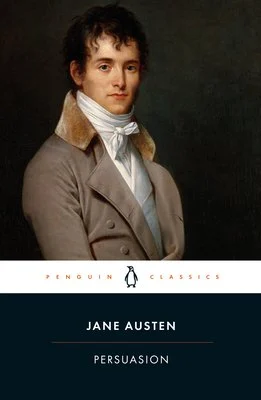
If you’ve read Jane Austen’s novels, you sense something different about this one, which was her last novel.
Anne Elliot is set to marry Frederick Wentworth. She ends her engagement when her friends convince her of her fiancée’s lack of wealth. Years later, Anne’s family loses their estate because of poor finances. They rent their estate to, guess who, Frederick’s sister. Anne and Frederick, both single, are reunited after eight years and they wonder if this is a second chance meetup.
Born in Steventon, Hampshire, Jane Austen is known as the pioneering English novelist who defined the novel of manners.
#44 The Beautyful Things That Heaven Bears, by Dinaw Mengestu
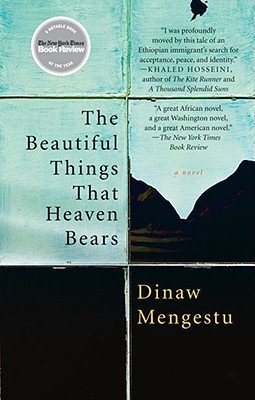
The title of this novel—which was a treasured birthday gift from a friend—is alluring. It is a novel that encapsulates longing and loneliness in a way that brings the reader closer to the main character’s plight. One could say it does not end the way you want it to end, but maybe this is the point it makes of life.
Set in Ethiopia and Washington D.C., the novel is about an Ethiopian immigrant who runs a failing convenience store in a poor African American neighborhood enduring gentrification in Washington D.C. A former child refugee from Ethiopia, Stepha spends his day dealing with undiagnosed post trauma, all while trying to survive a capitalist society wherein he constantly drowns.
Born in Ethiopia, Dinaw Mengestu is an Ethiopian American novelist. The Beautiful Things That Heaven Bears became a New York Times Notable Book in 2007.
#45 Rebecca, by Daphne du Maurier
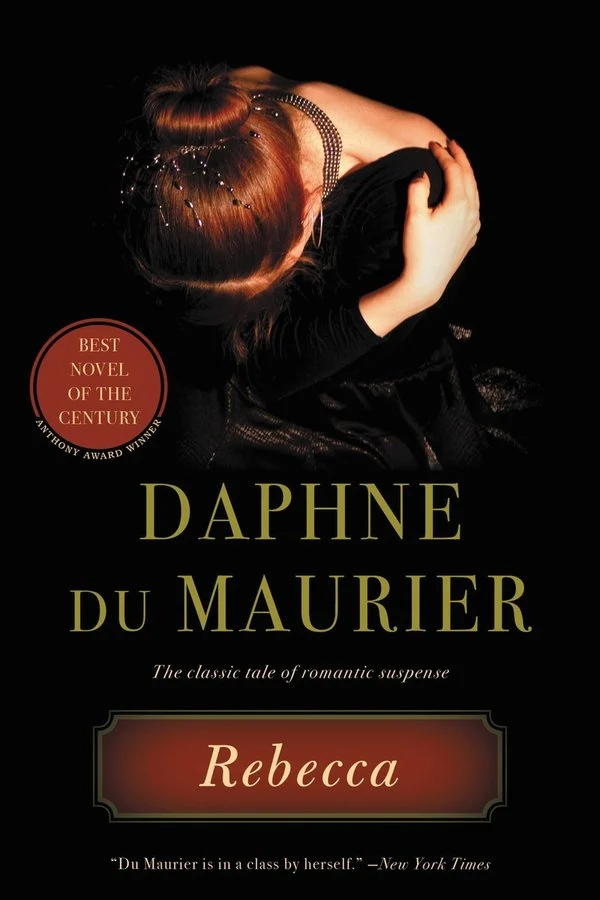
When you read a book and a place is so riveting that it remains with you, you know it’s special. Whenever I think of this haunting novel, I think of Manderley, the mansion that, to me, is a character in this novel.
Set in Cornwall, England, this is a gothic novel about Rebecca, the deceased wife of the rich Maxim de Winter, and his new, gullible young bride. Told from the retrospective view of the new wife, the story is about a new marriage haunted by a deceased wife.
Born in London, Daphne du Maurier was an English novelist, biographer, and playwright. Rebecca has been adapted numerous times for stage and film.
#46 Houseboy, by Ferdinand Oyono
When I first read this, I felt as though I was in the presence of an underrated African classic.
When Cameroonian diplomat and novelist, Oyono, visited Guinea (while it was the colony, Spanish Guinea), he came across one of his countrymen. He was handed the diary of Toundi, a houseboy on the run. Oyono translated the book from its original language, Ewondo. Written in diary form, it is tragic and poignant tale of Toundi’s life in Spanish Guinea as a houseboy.
Born in Cameroon, Oyono was a novelist and diplomat in President Paul Biya’s administration.
#47 My Ántonia, by Willa Cather
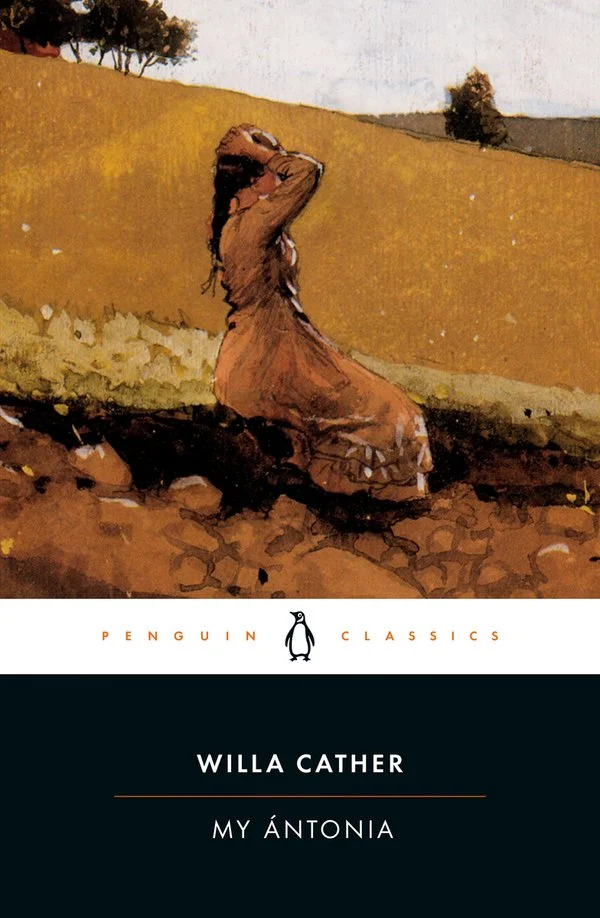
This first-person narrative lures with its closeness. I remember living for a week in Jim’s head, or was it vice versa? Ántonia is a character I carried with me.
With settings in Scandinavia, Bohemia, and Nebraska, My Ántonia explores themes of memory and the immigrant experience. Told from the perspective of Jim, this is a piercing story of his childhood friendship with Ántonia on the Nebraska Prairie during the late 19th century.
Born in Virginia, Willa Cather was an American novelist who won the Pulitzer Prize for the Novel in 1923.
#48 So Long a Letter, by Mariama Bâ
I tend to enjoy novels written in the epistolary form, but this short novel is singular in its delivery of storytelling in letter form.
A woman in mourning for a husband who abandoned and humiliated her while she was alive, writes to her best friend about her regrets. But Ramatoulaye is not only a Senegalese woman, she is not only a Muslim woman, she is every woman. The moment you start to read this book, you understand how her problems are universal, and why this novel has become a significant addition to literature on gender studies.
Mariama Bâ was a Senegalese writer and schoolteacher. In 1989, So Long a Letter was awarded the Noma Award for Publishing in Africa.
#49 July’s People, by Nadine Gordimer
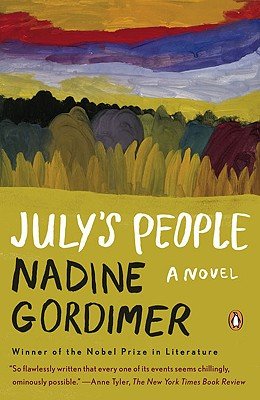
This is exquisite and strange writing; bruised and beautifully nuanced. I enjoyed the texture, sound, and authenticity of this novel. When Gordimer writes of South Africa, the syntax of her sentences flow like African rhythms.
During the South African conflicts, a white couple takes refuge with their black houseboy, July. This novel centers the shift of power, what happens when the oppressor becomes the oppressed. It explores the dynamics of trust, and what happens when trust is misplaced.
Born to Jewish parents in South Africa, Nadine Gordimer was a South African writer and activist. She won the Nobel Prize in Literature in 1991.
#50 A Tree Grows in Brooklyn, by Betty Smith
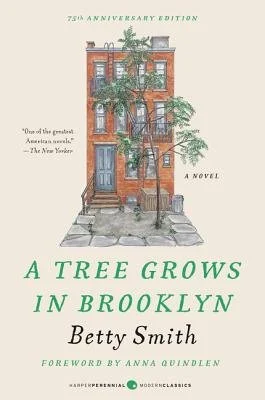
I love a good Bildungsroman, and this one is written with lucid simplicity that I found savory.
The novel is about Francie, a bookish child living in Williamsburg, Brooklyn, who is raised in the kind of poverty where strong black coffee is a meal replacement. The book captures Francie’s bittersweet formative years and how she forges a hopeful path.
Born in Brooklyn, Betty Smith was an American novelist and playwright. In 2012, A Tree Grows in Brooklyn was listed by the Library of Congress as one of the books that shaped America.