
Futility and Survival Explored in Rohinton Mistry’s A Fine Balance
What happens to the human spirit and will, when every effort made to build a better life is unraveled and thwarted with each step? Against a backdrop of stark poverty, caste and political oppression, four friends answer this question as they seek survival.
A Fine Balance (1995) from the Indian-born Canadian writer, Rohinton Mistry, is the first novel in the lineup for our monthly in-depth look at literature that reveal things about the world. Each month, we will explore themes from a book that expands our reading worldview and challenges us intellectually and creatively.
A 1996 Booker Finalist, A Fine Balance is the story about how four strangers in India find their lives and livelihoods intertwined in one shared, cramped apartment as they battle hope and despair to work towards an uncertain future.

There are some books you keep on your shelves a for a long time and when you finally open them, you wonder what took you so long to read them. This is such a book. 11 pages in, A Fine Balance’s extraordinariness emerges. The deft storytelling and the intimate way the characters and their backstories are introduced draws you closer to their struggles, their uncertainties, their lives.
These characters encourage you to view the world through different lenses and to appreciate what you have. You read this book and the stench of everyday life in the slums nauseate but is juxtaposed with delectable tales of friends supporting each other through tragic ordeals.
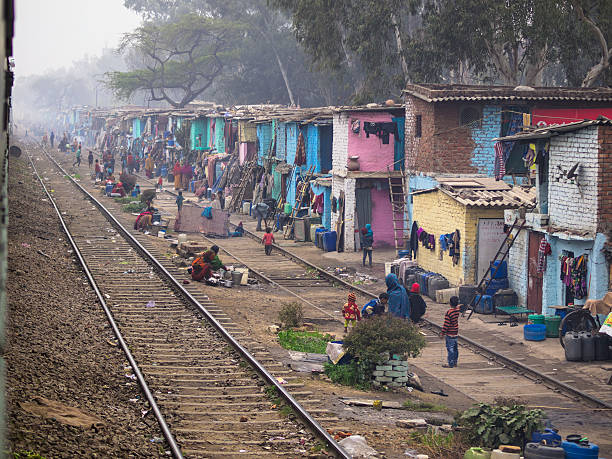
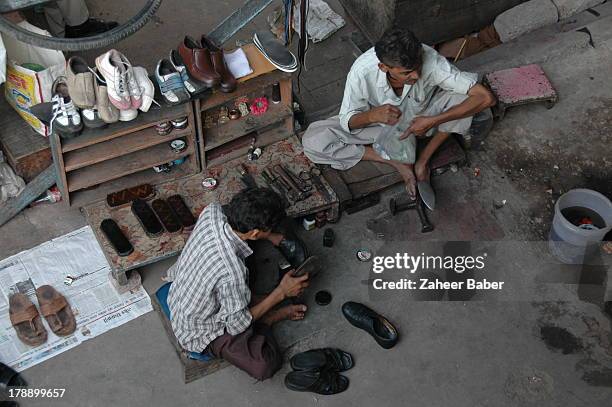
Set in an unnamed city in India during the Emergency of 1975–1977, the novel follows four people who try to survive in a struggling economy. Ishvar and Omprakash (Om) are two tailors from a marginalized caste. “Their family belonged to the Chamaar caste of tanners and leather-workers,” and to paint the picture clearly, in their village, this means that sometimes they are called to skin and bury dead animals no one wants to touch in order to make a living repairing sandals, shoes, and other materials.
Ignoring caste rules, Ishvar and his brother Narayan, are sent away by their father to train as tailors, upsetting the standard caste system that dictates they remain marginalized cobblers. After his brother’s Narayan’s tragic death, Ishvar trains and takes care of Narayan’s son, Omprakesh (Om). As humiliating and tragic events transpire for their family, the uncle-nephew duo of tailors make their way to the city, where they hope to find jobs as tailors and build better lives for themselves.
Ishvar and Om apply to work at the tailoring business of Dina Dalal, a childless widow who has chosen a life of solitude and independence. Raised in a family with a doctor for a father and a brother who is a businessman, Dina could have agreed to have her marriage arranged by social status. Instead, she marries for love and when her husband tragically passes soon after, she chooses to remain alone. She, too, is restricted by the system of oppression that makes things difficult for an unmarried businesswoman.

“Dina Dalal seldom indulged in looking back at her life with regret or bitterness, or questioning why things had turned out the way they had, cheating her of the bright future everyone had predicted for her when she was in school…”
Dina faces challenges from her landlord and issues brought on by municipal corruption. She needs tailors in order to run her home business. She also needs steady income, so she takes in a boarder, Maneck.
Maneck is a college student from a privileged family who has left his college hostel due to poor facilities and an agitated student council. He moves in as Dina’s boarder and soon builds a friendship with the two tailors. He soon starts to view Dina as an aunt.
Maneck takes the pain of others personally, feels responsible for their plight, and carries guilt from his failed friendships, his family’s wealth, and his own success in the midst of the terrifying poverty that surrounds him. The lives of all four individuals intertwine in this harrowing story that depicts social structures at its worst.
This novel shows us that we cannot truly know what others have endured, what suffering has looked like for some, how suffering has no economic boundaries. It is wise to understand a person’s story before judgment, for there is wealth to be found in the indomitableness of the human spirit. Society tends to judge people by outer appearances. We see strength as the physical, the material. We disregard inner strength. This novel seems to say all of these things as it challenges one to ponder them.
“But nobody ever forgot anything, not really, though sometimes they pretended, when it suited them. Memories were permanent. Sorrowful ones remained sad, even with the passing of time, yet happy ones could never be re-created—not with the same joy. Remembering bred its own peculiar sorrow. It seemed so unfair: that time should render both sadness and happiness into a source of pain.”
What makes Mistry’s depiction of poverty profoundly disturbing is its inescapability. The futility of the situation. It’s not as if his characters lack ambition. In fact, we see Ishvar and Om try desperately to work and live in dire situations just so they can accomplish a goal. Instead, they are trapped within systems that repeatedly deny them opportunities to improve their lives. Homelessness is a tool used by others to make money from poverty, to access forced labor.
For some of the inhabitants, poverty becomes the absence of dreams, of imagination. The absence of a system that protects those who have less but want to do better.
“But what else to expect, when judgment has fled to brutish beasts, and the country’s leaders have exchanged wisdom and good governance for cowardice and self-aggrandizement? Our society is decaying from the top downwards.”
Hope and despair become a fine balance :
“You see, you cannot draw lines and compartments, and refuse to budge beyond them. Sometimes you have to use your failures as stepping stones to success. You have to maintain a fine balance between hope and despair.”
Here, hope is so fragile it seems futile. It is this futility that is both disheartening and awakening. Does the novel straddle hopelessness? Perhaps. But it’s clear that Mistry illuminates the horrors of systemic oppression to elucidate generational poverty. And despite the futility of their situation, the tailors persist. Their wittiness prevails. The friendships they make test, teach, and strengthen them.
So it is then, that one can say the novel centers survival and what it looks like for different individuals. How each person handles strife. This novel is a great companion and group read. It would be a good choice for a reading retreat focused on books that examine the things that make us human, those things that connect us and define the human condition.
To learn about Mistry’s story collection, Tales from Firozsha Baag, read: “Read Stories: 11 Short Story Collections to Encourage You.” For books with settings in India, visit our Books by Continent page, specifically, our Asia Bookshelf.